

At Townsend McCormack, we're specialists in construction insurance who understand the challenges faced by contractors, property developers and construction companies.
Protect Your Projects and Safeguard Your Cash Flow
For instance, you may be undertaking a residential refurbishment, commercial development, major construction project or the renovation of an entire block of flats. We cut through the jargon to deliver a clear insurance package that protects your business when it matters most.
Remove the worry of uninsured losses with flexible cover that grows with your business.


The insurance process: how we work for your construction business
Arranging business insurance doesn't need to be complicated. Our team takes the time to understand your projects, contractual requirements and site risks before recommending suitable cover.
- Step 1
Checking risks
We'll talk with you to understand your business, the scale of the project you're developing and the people you hire, to help us see where you might be at risk.
- Step 2
Tailored cover for your business
We don't believe in one-size-fits-all policies. We'll review your specific activities, projects and future growth plans.
- Step 3
Finding the right price
We'll listen to your concerns and understand your budget. Then we'll use our knowledge and contacts to put together the appropriate insurance package for you. You'll get a clear, transparent quotation with no hidden costs added on later.
in association with:




Why Growing £2m+ Businesses Switch to Townsend McCormack
Many growing contractors and developers come to us after feeling treated as a number by larger brokers. Here's what changes when you work with a specialist independent brokerage.
Specialist risks, properly understood
Instead of generic commercial packages, we underwrite construction and development exposures with brokers who know contract works, plant, PI and site liabilities.
A dedicated real person — not a call centre
You get a named UK account manager who knows your programme, so renewals, endorsements and urgent queries don't bounce between teams.
Fast responses when projects move quickly
Need cover for a new site, plant item or contract overnight? We move at the pace of your programme — including same-day action where possible.
Proactive claims handling
We negotiate directly with insurers and stay involved until settlement — with a 99% valid claims paid record, not a hands-off claims desk.
A long-term relationship as you grow
As project values and turnover rise into the £5m–£20m range, we reshape cover with you rather than forcing you into an unsuitable template.
Transparent pricing
Clear quotations, no jargon-led upselling, and honest advice on what you need — and what you don't.
How We Deliver Better Cover & Service
Our model is built for contractors and developers who need agile, specialist support — not a remote call centre.
Fast & agile
Same-day cover is often possible for new plant, machinery and project amendments so work isn't held up waiting on paperwork.
Proactive claims team
We negotiate directly with insurers, keep you informed, and push for fair, timely outcomes when something goes wrong on site.
Tailored programmes that grow with you
Cover is shaped around larger projects, contractual requirements and how your business actually operates — then reviewed as you expand.
Quality first
Strong insurer relationships and access to A-rated markets help us secure competitive terms without compromising on cover.
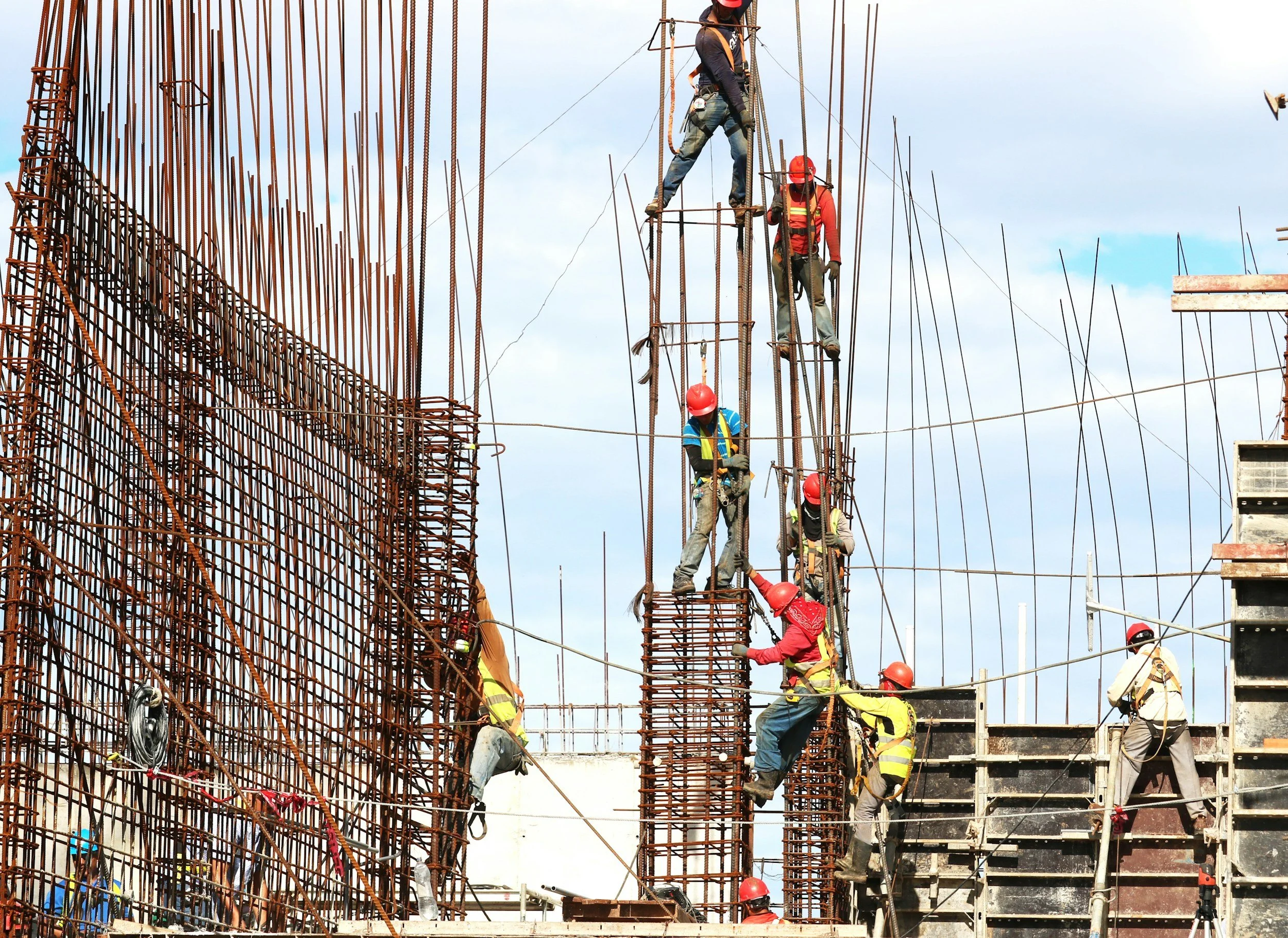
Which businesses can construction insurance protect?
Our team of construction insurance specialists has extensive expertise in building tailored solutions for a wide range of construction professionals and businesses.
Types of construction businesses we work with
- Main contractors & building contractors
- Property developers
- Groundworkers & civil engineers
- Steel erection contractors
- Plant hire companies
- Renovation & refurbishment contractors
- Drainage specialists
- Commercial construction firms
- Demolition firms
- Project managers
What types of insurance do construction companies need?
Most UK businesses in the construction industry need some combination of these core insurance types, depending on the size of your business and the projects you undertake. Common core types of cover include:
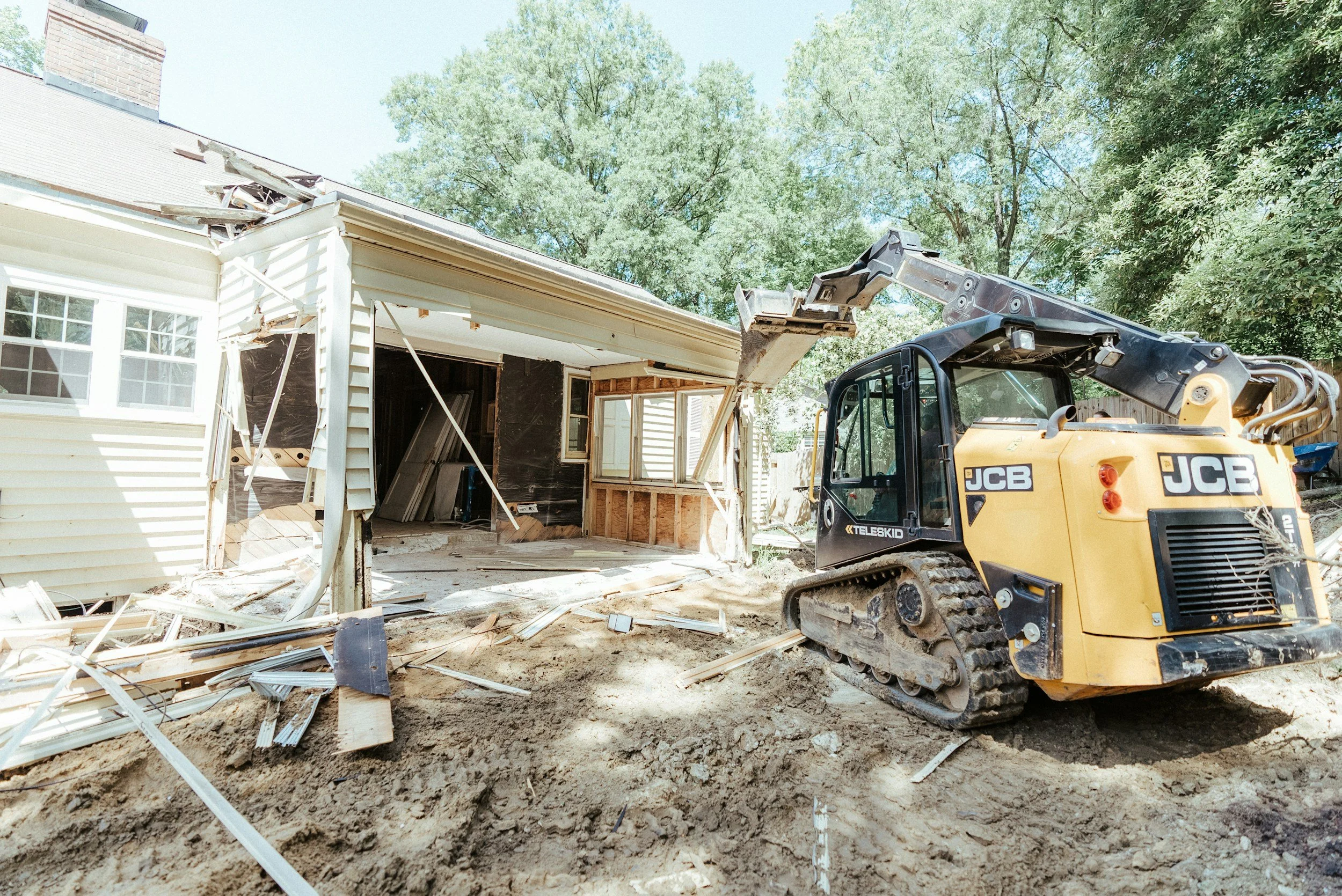
Public Liability Insurance
Protects your business against claims from third parties for injury, illness or property damage arising from your work activities.
Employers' Liability Insurance
Protects you financially if an employee brings a claim against you for illness or injury due to their work. A legal requirement for most businesses with employees.
Contract Works Insurance
Protects works and projects against risks such as fire, flood, theft and accidental damage on a building site.
Contractors All Risks Insurance (CAR)
Covers works, materials, temporary works and projects that are underway on a building site.
Professional Indemnity Insurance (PI)
Essential for design & build contractors; covers legal costs and compensation arising from alleged errors in the design or the construction process.
Directors & Officers Insurance (D&O)
Protects directors against management and regulatory claims.
Legal Expenses Insurance
Covers legal advice and costs arising from legal disputes.
Motor Fleet and Road Risks Insurance
Covers vans, lorries, company cars and other business vehicles against accidental damage, theft and third-party liabilities under one policy, with a single renewal date for convenience.
Own Plant Insurance
Covers owned machinery and equipment, including excavators, dumpers, telehandlers and cranes.
Hired-In Plant Insurance
Covers plant and machinery hired from third parties.
Tools and Equipment Insurance
Covers theft, loss or damage to your tools and portable equipment.
Buildings & Contents Insurance
Covers loss or damage to your business premises, construction sites, office equipment, tools, stock and contents caused by events such as fire, flood, theft or vandalism.
What additional insurance might a construction business need?
Depending on the nature of your business and projects, you may require additional cover to protect your business fully. Additional covers may include:
Environmental / Pollution Liability
Covers claims, clean-up costs and legal expenses arising from pollution incidents or environmental contamination — essential protection for construction firms.
Cyber Insurance
Protects against cyber attacks, data breaches, payment fraud, ransomware and business interruption caused by IT system failures.
Non-Negligence (JCT 6.5.1)
Covers damage to neighbouring property arising from construction works where no negligence can be proven. Particularly important for basement excavations, urban developments and projects near existing structures.
Latent Defects (Structural Warranty)
Provides 10–12 years of protection against structural defects discovered after completion. Often required by lenders, funders and purchasers, including under schemes such as NHBC and LABC warranties.
Terrorism Insurance
Covers losses arising from acts of terrorism.
Construction Bonds
Protects against financial loss as a result of contractor non-performance.
Delay in Start-Up (DSU)
Protects against financial losses caused by project delays, including lost rental income, finance costs and additional overheads.
Business Interruption (BI)
Covers loss of income and increased operating costs following an insured event that disrupts your head office or business operations.
Construction insurance FAQs
Employers' Liability Insurance is a legal requirement for most UK construction businesses under the Employers' Liability (Compulsory Insurance) Act 1969. The minimum legal requirement is £5 million of cover, although most construction companies purchase £10 million, as the additional cost is often minimal and is frequently required by clients, main contractors and contract conditions.
Whilst Public Liability Insurance is not a legal requirement, it is considered essential for most construction companies. Many clients, principal contractors, local authorities and commercial contracts require evidence of Public Liability Insurance before work can begin. For example, a contractor client came to us after a digger injured a person on their site. Their previous broker didn't understand their business, and the insurer initially refused to pay. We reviewed their set-up and got their claim paid out, saving the business from potentially significant legal and compensation payments.
Professional Indemnity Insurance is typically required for engineers and other design professionals. It is also commonly required for design and build contractors and specialist trades that provide design, specification or technical advice, such as mechanical and electrical contractors. Contractors carrying out purely manual work with no design responsibility may not require Professional Indemnity Insurance, although client and contractual requirements should always be checked.
Without Contract Works Insurance, a construction company may be responsible for the cost of repairing or rebuilding damaged works themselves. It is also often a contractual requirement, with clients, developers and lenders frequently requesting proof of cover before work begins. Contractors All Risks (CAR) Insurance provides broader protection by combining Contract Works Insurance with additional covers commonly required by construction businesses. CAR may include contract works, own plant, hired-in plant, employee tools, site cabins and temporary buildings, and construction equipment. By bringing multiple covers together under a single policy, CAR provides more comprehensive protection and can simplify insurance arrangements for contractors, plant hire companies and property developers.
The right insurance for a renovation project depends on the scope of the works, project value, contract conditions, and whether you're working on an existing structure — so it's important to speak with a construction broker for accurate quotes. For most renovation and refurbishment projects, contractors should consider contract works, existing structures, public liability, employers' liability, professional indemnity, and non-negligence (JCT 6.5.1) insurance. We can help assess the risks associated with your project and tailor an insurance programme to the scale and complexity of your business.
If you need to make a claim, our team takes the lead. We talk to the insurer for you so everything is handled fairly, liaising directly with them and keeping you informed throughout the process. Resolving your claim as quickly as possible: our hands-on approach ensures your claim runs smoothly and efficiently to achieve the best possible outcome. You keep control: you choose how your claim is managed — whether you like to manage each step with your claims handler, or prefer to let the claims handler take the reins. Unrivalled industry experience: backed by our team's extensive knowledge of the London market, we work closely with our clients to deliver an industry-leading claims solution.
Insurers may decline claims where policy conditions haven't been followed. Common reasons include inadequate site security, underinsurance, incorrect disclosure of activities or breaches of policy terms. To avoid problems at claim stage, it's important to understand your policy requirements and ensure your cover accurately reflects your projects and activities. A property developer client came to us frustrated that their national broker had taken years to settle a claim. We put a second set of eyes on the insurance arrangements, identified the key issues, and got it paid in months rather than years.
The cost of insurance depends on factors such as your turnover, project values, claims history, trade activities and the level of cover required.
Construction companies can often reduce insurance costs by demonstrating strong risk management. Good health and safety procedures, effective site security, regular staff training and a positive claims record can all help improve insurer confidence and secure more competitive premiums. Invest in site security — CCTV, alarms, fencing, immobilisers, tracking devices and secure storage can help reduce theft-related claims and pay back in lower insurance costs over time. Use a specialist construction broker, rather than a generalist, to ensure you receive the most relevant cover. Generalist brokers may over-insure or leave gaps that only show up at claim time. Maintain a positive claims record — a clean five-year record can cut premiums by around 30%. Consolidate cover with one insurer where possible; many insurers offer discounts when multiple policies are arranged together. Pay premiums annually — this can often be more cost-effective than monthly instalments that include finance or credit charges.